Were Courtesan Relationships Love or Business?
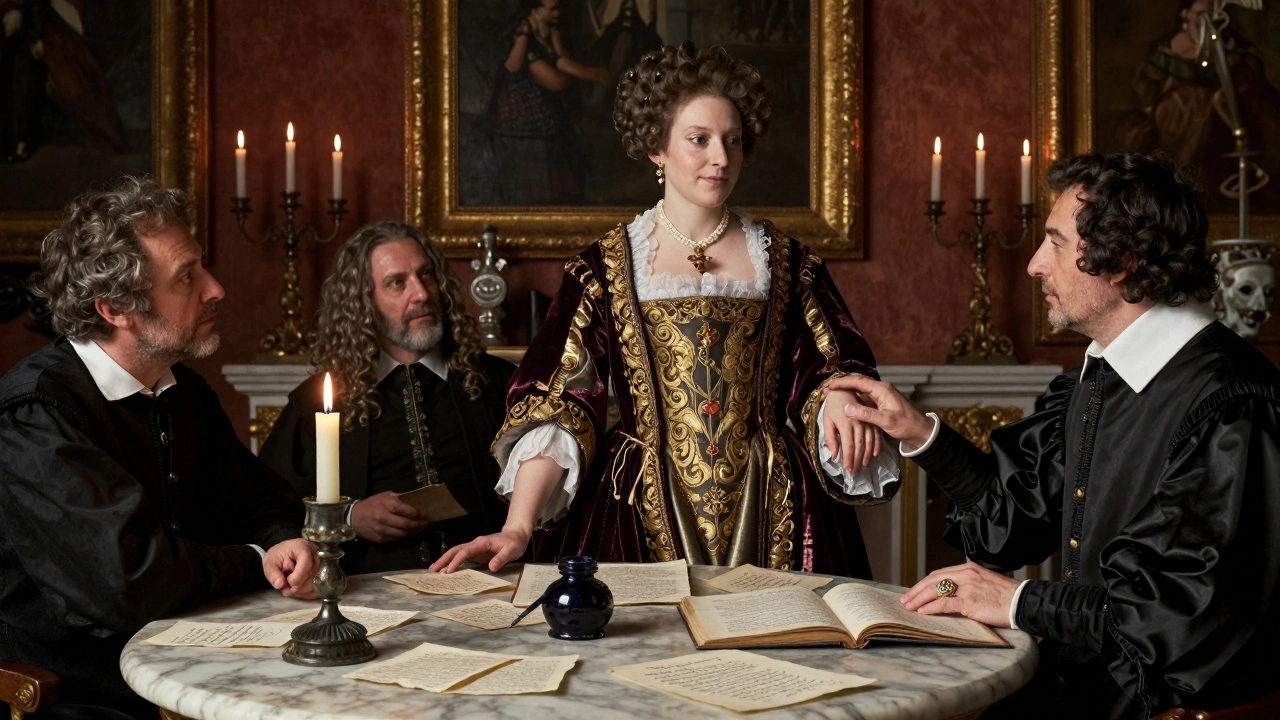
When you hear the word courtesan, you might picture a glamorous woman in silk gowns, surrounded by wealthy men, dancing at royal balls. But behind the glitter, there’s a much deeper, messier truth: were these relationships about love, or were they pure business? The answer isn’t simple. It wasn’t one or the other. It was both. And that’s what made them so powerful - and so misunderstood.
Key Takeaways
- Courtesans weren’t just sex workers - they were educated, politically connected, and often more powerful than married women of their time.
- Many courtesans formed deep emotional bonds with their patrons, but those bonds were built on financial agreements, not romance.
- Unlike prostitutes, courtesans negotiated contracts, owned property, and sometimes inherited wealth from their lovers.
- Love and business weren’t separate in these relationships - they were tangled together, like threads in a velvet tapestry.
- Historical records show some courtesans were loved, others were used - but almost all of them were smart enough to control the terms.
What Exactly Was a Courtesan?
A courtesan wasn’t just a mistress. She was a professional companion - part lover, part advisor, part social strategist. In Renaissance Italy, 18th-century France, and even in Mughal India, courtesans were trained in music, poetry, philosophy, and diplomacy. They didn’t just sleep with powerful men; they talked with them, challenged them, and sometimes even shaped their decisions.
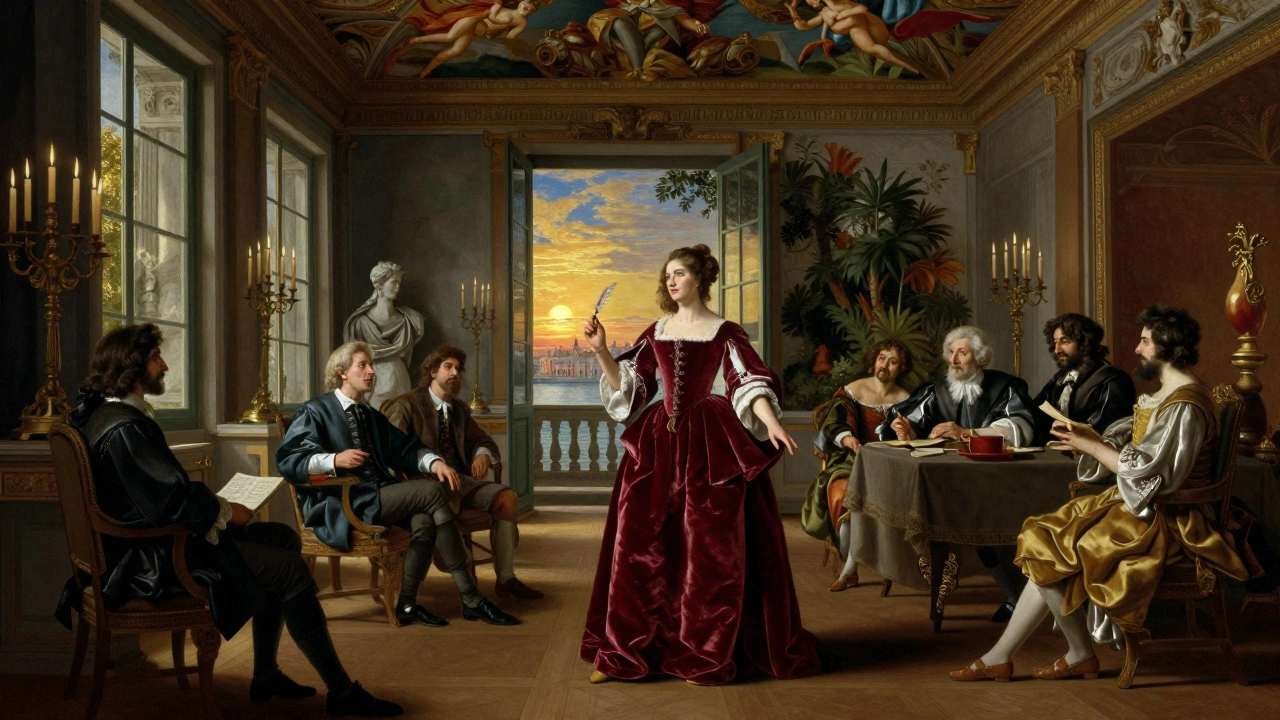
Think of them as high-end consultants who happened to also be intimate partners. A courtesan in Venice might host salons where artists, scientists, and politicians debated ideas. In Paris, a courtesan like Madame de Pompadour didn’t just sleep with King Louis XV - she influenced his policies, picked his art, and controlled who got access to the court.
And here’s the twist: most courtesans were not born into wealth. Many came from poor families, or were the daughters of merchants or minor nobles. Their education was their currency. A good courtesan could read Latin, compose sonnets, and play the harpsichord better than half the nobility. That’s why men paid so much - not just for sex, but for her mind.
Love? Or a Contract?
Let’s cut through the myth: courtesans didn’t fall in love with their patrons because they were desperate. They did it because it was smart.
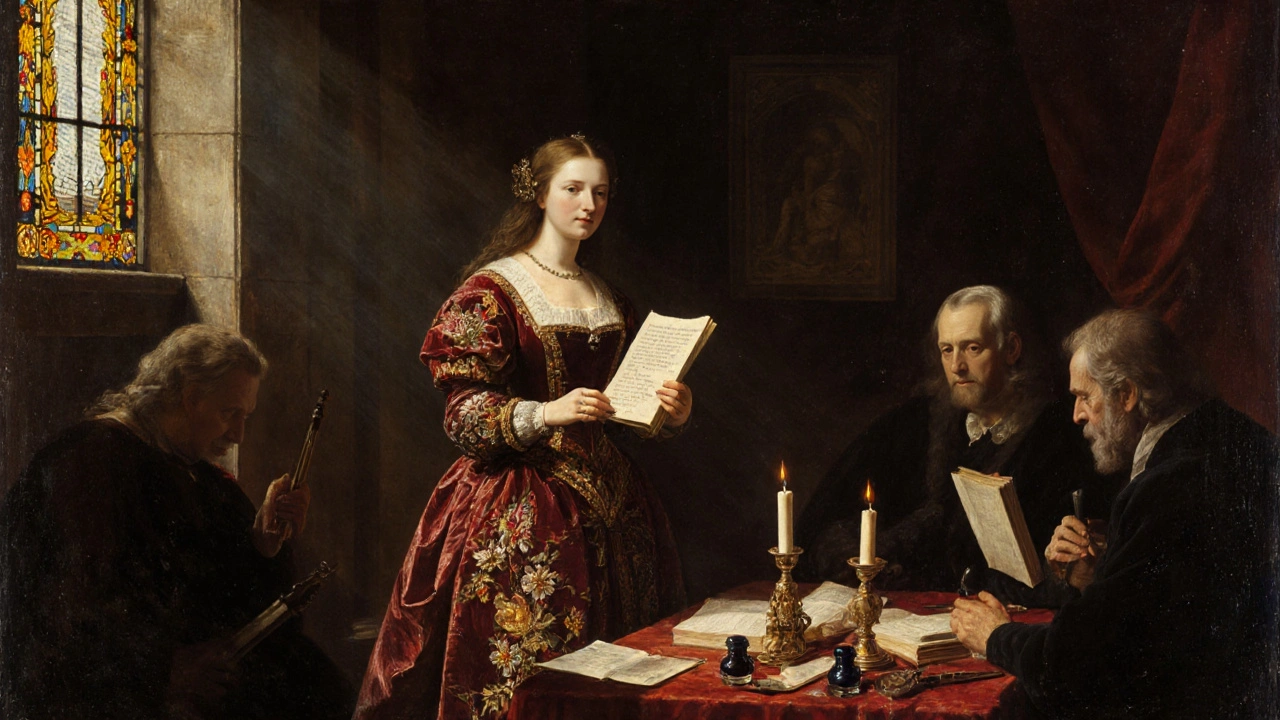
Take Veronica Franco, a 16th-century Venetian courtesan. She wrote poetry, published books, and defended her profession in public debates. She had long-term relationships with wealthy men - one even left her a fortune in his will. But she also kept detailed ledgers of gifts, payments, and favors exchanged. She didn’t pretend it was pure romance. She knew the rules.
Some courtesans did develop real affection. Madame du Barry, the last maîtresse-en-titre of Louis XV, reportedly cried when he died. But she also spent years securing her financial future - buying estates, investing in land, and arranging marriages for her children. Love didn’t erase the business. It just made it more complicated.
And here’s what most people miss: the men often fell in love too. They gave courtesans rings, palaces, and titles. They wrote letters full of longing. But they also expected exclusivity, discretion, and social grace in return. It wasn’t a fairy tale. It was a deal.
How Was This Different From Prostitution?
This is where things get clearer. A prostitute offered sex. A courtesan offered a lifestyle.
Prostitutes worked in brothels or on street corners. Courtesans lived in elegant townhouses, hired servants, and wore jewels gifted by their patrons. They didn’t take just anyone. They chose their clients carefully - often men who were already married, politically connected, or culturally sophisticated.
Courtesans had contracts. These weren’t written on paper - they were understood. A man might pay for her apartment, her clothes, her education. In return, she gave him exclusive access, companionship, and social credibility. She was his public face at parties, his confidante at dinner, and his secret comfort at night.
And unlike prostitutes, courtesans could inherit. Some became wealthy landowners. Others raised children who entered the nobility. A few even became widows of kings - legally married after their lovers died.
Types of Courtesans Across History
Courtesans weren’t all the same. Their role changed depending on time and place.
- Italy (1500s-1600s): The cortigiana onesta - “honest courtesan.” These women were educated, published writers, and hosted intellectual gatherings. Think Veronica Franco.
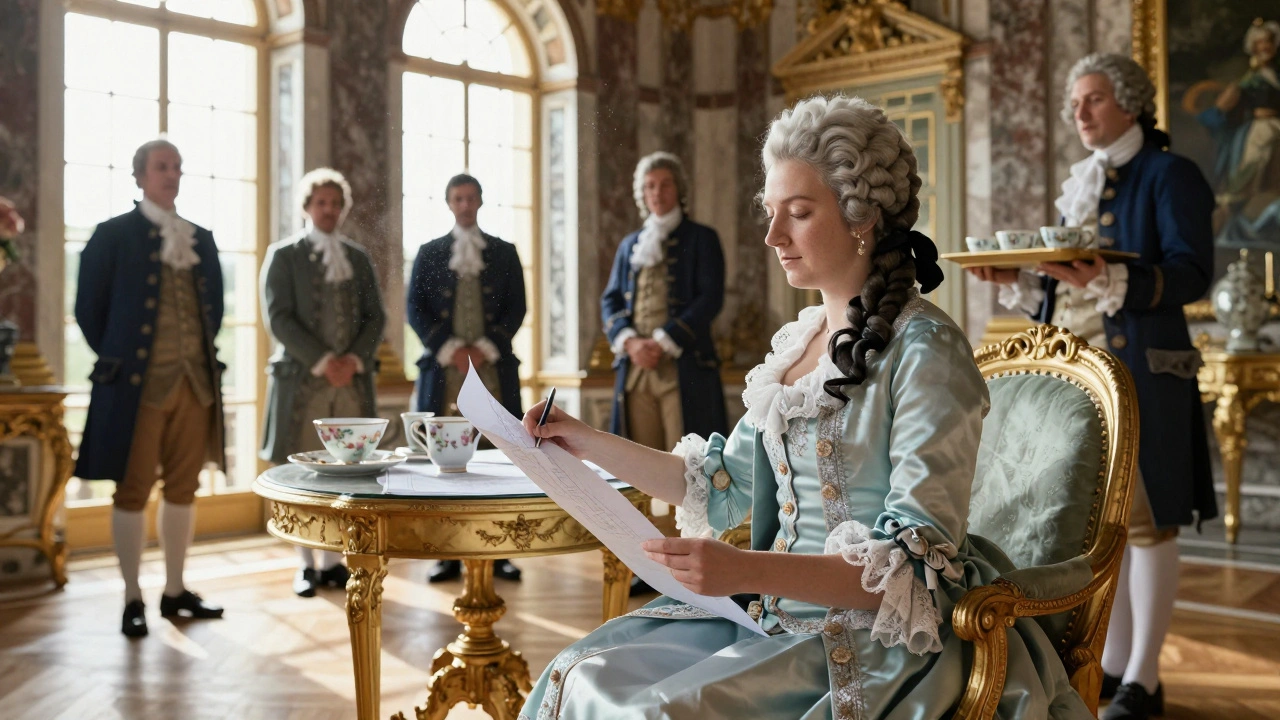
- France (1700s): The maîtresse-en-titre. Official mistresses of kings, like Madame de Pompadour and Madame du Barry. They held court positions, influenced politics, and even appointed ministers.
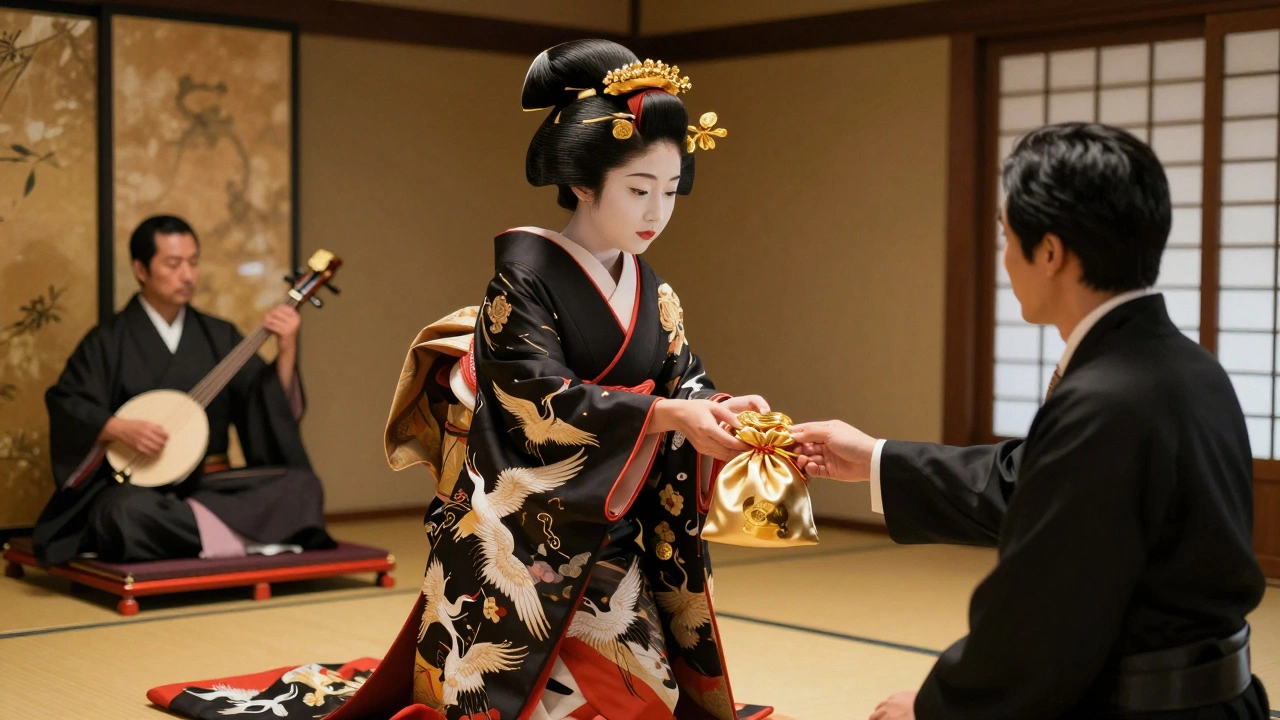
- Japan (Edo Period): The oiran - high-ranking courtesans in pleasure districts. Trained in tea ceremony, calligraphy, and classical dance. Their services cost more than a samurai’s annual salary.
- India (Mughal Era): The tawaif - performers who were also cultural ambassadors. They taught nobles music and poetry, and some became advisors to emperors.
- England (18th century): The kept woman. Often the daughter of a tradesman, she lived in luxury in Mayfair. Think Nell Gwynn, who went from orange seller to mother of the king’s children.
Each type had its own rules, but the core was the same: they controlled the terms. They weren’t victims. They were entrepreneurs.
How Did They Build Their Power?
Courtesans didn’t wait for men to give them power. They built it.
They used their charm to get invitations to court. They used their intelligence to become indispensable. They used their relationships to secure loans, land, and titles. Some even funded wars - like Madame de Maintenon, who quietly helped finance Louis XIV’s military campaigns.
They also had networks. A courtesan in Paris might introduce a merchant to a duke. In return, she got a diamond necklace. Later, that same merchant might help her buy a house. It was all connected.
And here’s the most shocking part: many of these women had more freedom than married women. A married noblewoman had to obey her husband, bear children, and manage a household. A courtesan chose her partner, lived where she wanted, and spent her money how she liked.
What Happened to Them?
Most courtesans didn’t live happily ever after - but many lived better than most women of their time.
Some retired early, using their savings to open boarding houses or schools. Others married their patrons - if the husband died, or if the king granted them legitimacy. A few, like Madame de Pompadour, died young from illness, but left behind fortunes and legacies.
And then came the 19th century. Industrialization changed everything. The rise of the middle class meant fewer aristocrats with money to spend on mistresses. New laws criminalized prostitution. Social reformers painted courtesans as immoral.
By the 1900s, the courtesan had vanished - replaced by actresses, dancers, and eventually, modern sex workers. But her influence didn’t disappear. She paved the way for women to control their own bodies, finances, and futures.
Love or Business? The Real Answer
So, were courtesan relationships love or business?
They were both. And that’s why they worked.
Love gave them emotional security. Business gave them independence. Together, they created something rare: women who were seen, heard, and paid - not as objects, but as equals.
Forget the romanticized paintings. The real story is this: a woman, smart and sharp, sat across from a powerful man, and said, “I’ll be your companion - but only if you treat me like a person.” And he agreed.
That wasn’t just survival. That was strategy. And it still matters today.
FAQ: Your Questions About Courtesans Answered
Were courtesans forced into their roles?
Most weren’t. While some came from poverty, many chose the path because it offered more freedom than marriage. A courtesan could own property, travel, and make her own decisions - things most women couldn’t do. Some were even encouraged by their families, who saw it as a smart investment.
Did courtesans have any legal rights?
Yes - in many places, they had more rights than married women. In Venice and Paris, courtesans could sign contracts, inherit property, and sue for breach of promise. Some even had their own lawyers. Their financial independence gave them legal standing that ordinary women didn’t have.
How much money did courtesans make?
Top courtesans earned more than generals and bishops. In 18th-century France, a maîtresse-en-titre could receive 50,000 livres a year - equivalent to $1.5 million today. In Japan, an oiran’s first night could cost 100 gold pieces - enough to feed a family for a year.
Did any courtesans become queens?
Technically, no - but close. Nell Gwynn, mistress of King Charles II of England, gave birth to two of his children. One of them, Charles Beauclerk, was made Duke of St. Albans - a title still held today. Several courtesans’ children were legitimized and became nobles.
Why aren’t courtesans talked about today?
Because history was written by men who wanted to forget them. Courtesans threatened the idea that women should be passive, obedient, and dependent. By erasing their power, society could pretend women had no agency. But their legacy lives on - in modern feminism, in female entrepreneurs, and in every woman who chooses her own path.
Final Thought
When we look back at courtesans, we don’t see fallen women. We see pioneers. Women who refused to be controlled. Who turned intimacy into influence. Who turned survival into strategy.
You can call it love. You can call it business. But in the end, they called it power.