Courtesan Stories You Won't Believe
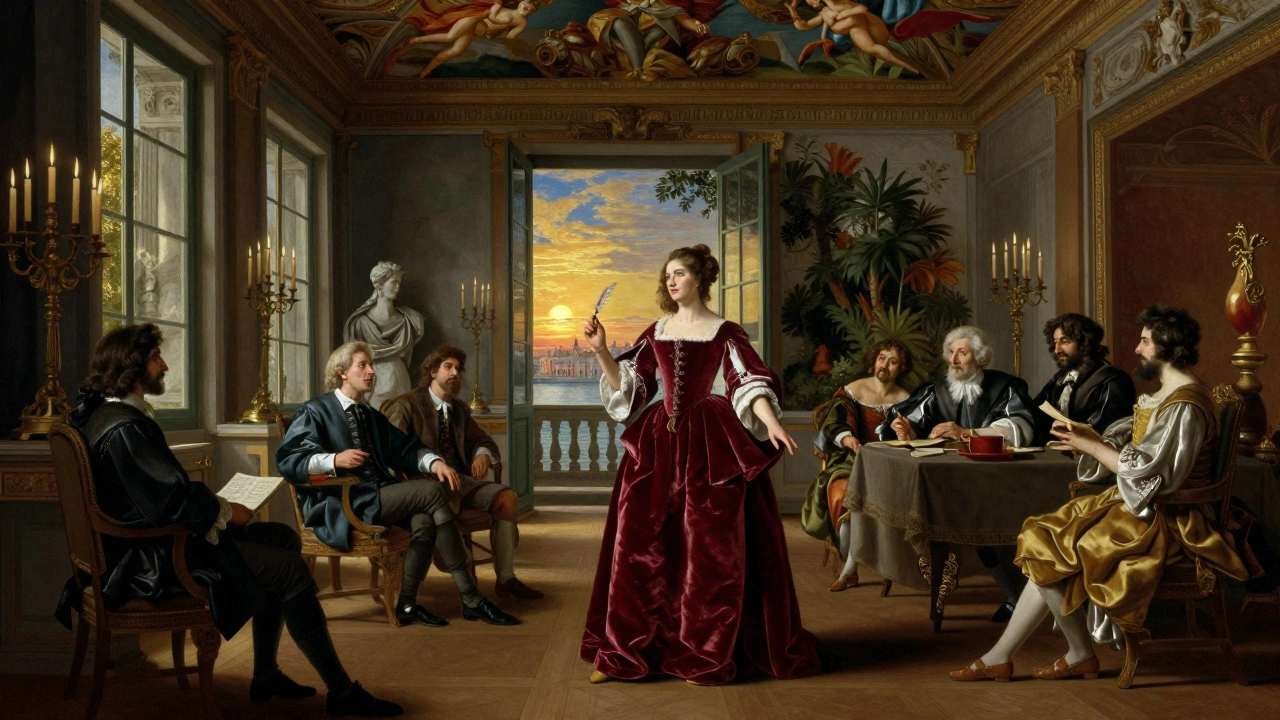
You think you know history? Think again. The world’s most powerful women weren’t always queens or politicians. Some were courtesans-women who turned charm, wit, and intelligence into influence that rivaled emperors and kings. Their stories aren’t just scandalous. They’re jaw-dropping. And yes, they’re real.
Key Takeaways
- Courtesans weren’t just sex workers-they were diplomats, artists, and political players.
- Some earned more than generals and owned palaces, art collections, and private theaters.
- They shaped culture, funded wars, and influenced royal succession.
- The line between courtesan and queen was often blurred-and sometimes nonexistent.
- Many left behind legacies in literature, music, and architecture that still exist today.
The Real Story Behind the Courtesan
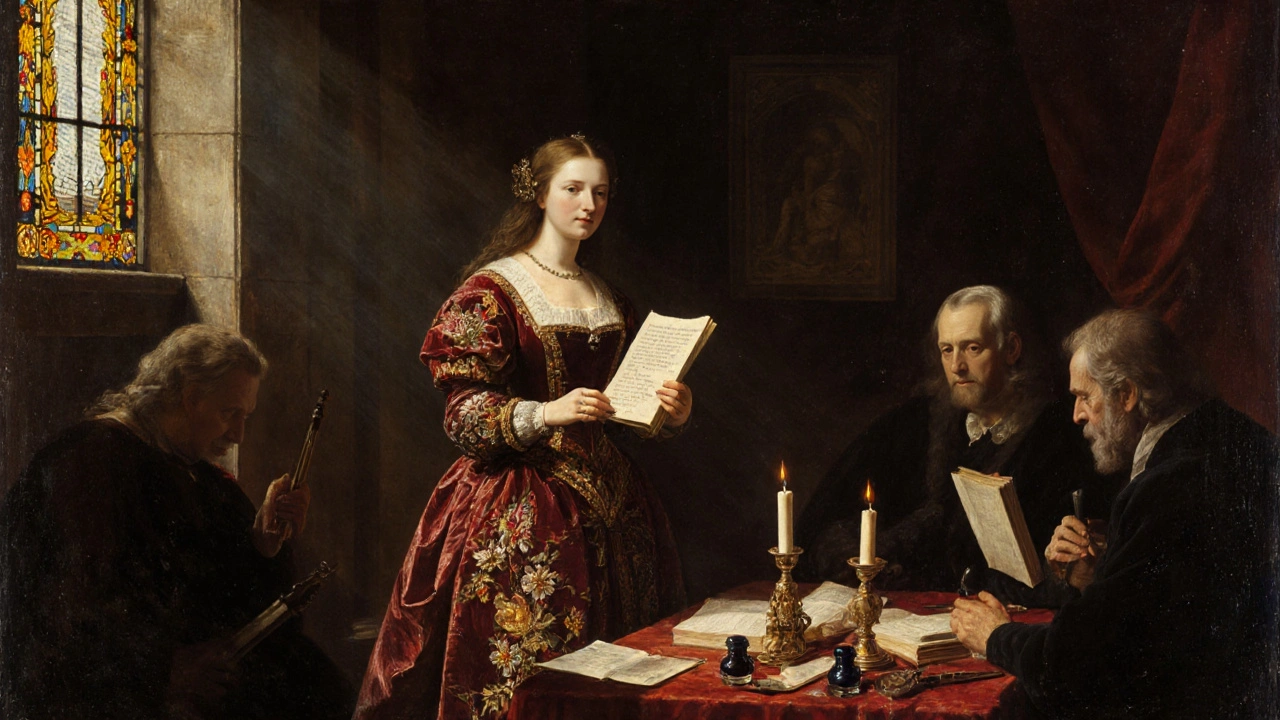
When you hear the word "courtesan," you might picture a woman in a velvet gown offering companionship for money. That’s only half the truth. A courtesan in the 16th to 18th centuries was often the most educated woman in the room. She spoke multiple languages, played the harpsichord, wrote poetry, and debated philosophy with cardinals and kings. Her value wasn’t in her body-it was in her mind.
Unlike common prostitutes, courtesans were carefully selected, trained, and cultivated. Families sometimes sold daughters into this life because it offered upward mobility. A skilled courtesan could rise from poverty to wealth in a single decade. And she didn’t need a husband to do it.
Why Courtesans Mattered
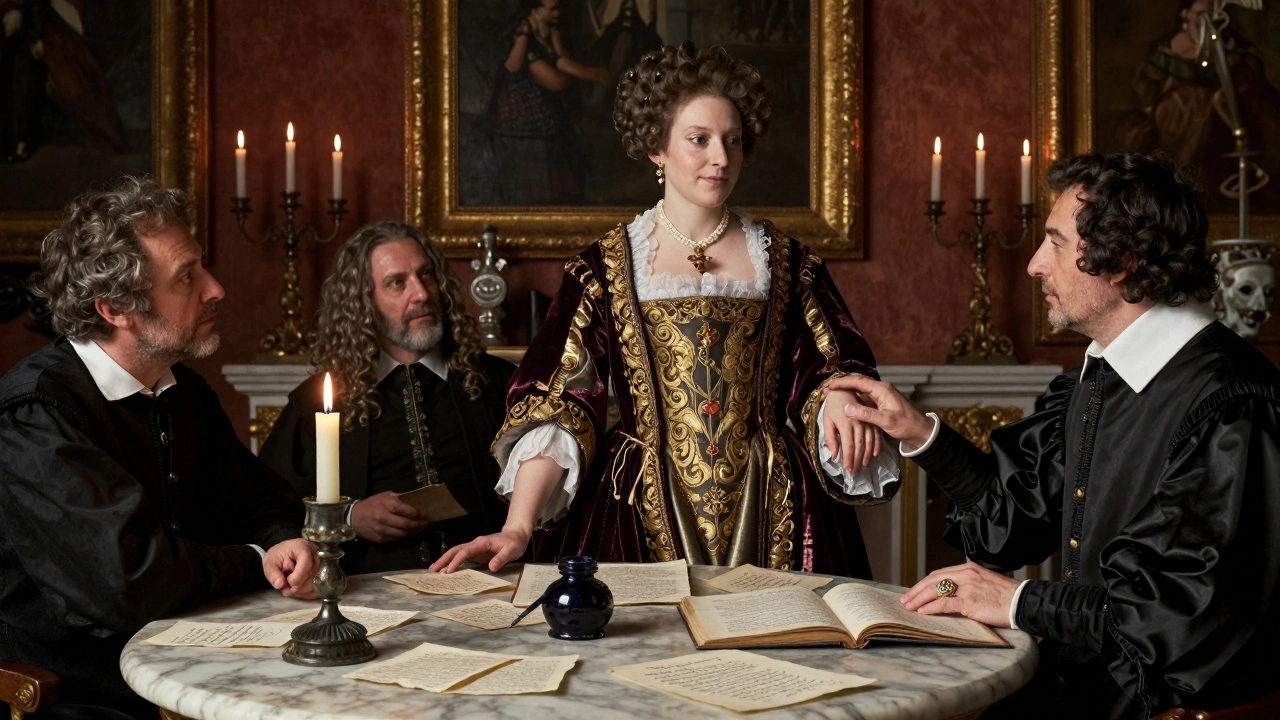
Let’s be clear: courtesans weren’t side notes in history. They were central players. In Venice, a courtesan named Veronica Franco hosted salons where poets, scientists, and nobles gathered. She published two volumes of poetry-and was the first woman in Italy to do so legally. When the plague hit, she used her fortune to fund hospitals.
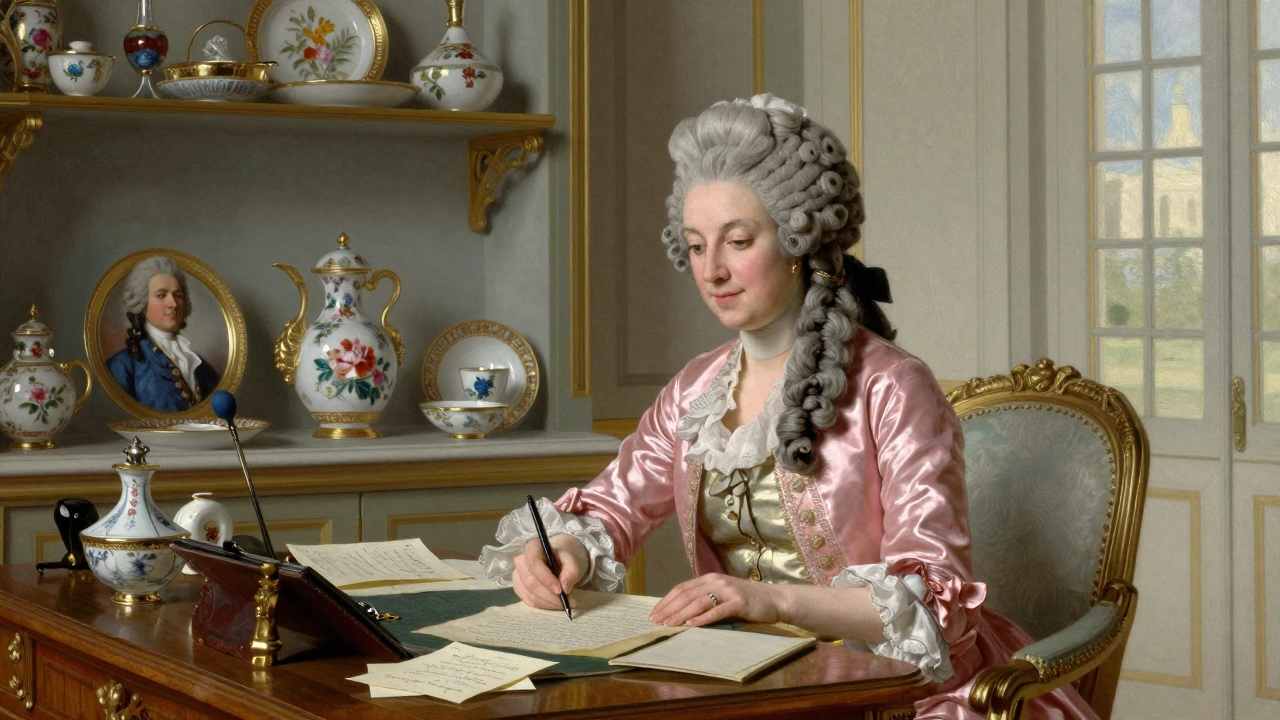
In France, Madame de Pompadour wasn’t just Louis XV’s lover-she was his chief advisor. She chose his ministers, influenced foreign policy, and helped launch the Enlightenment. She commissioned the Sèvres porcelain factory, which still exists today. Her name is on every piece of French china you’ve ever seen.
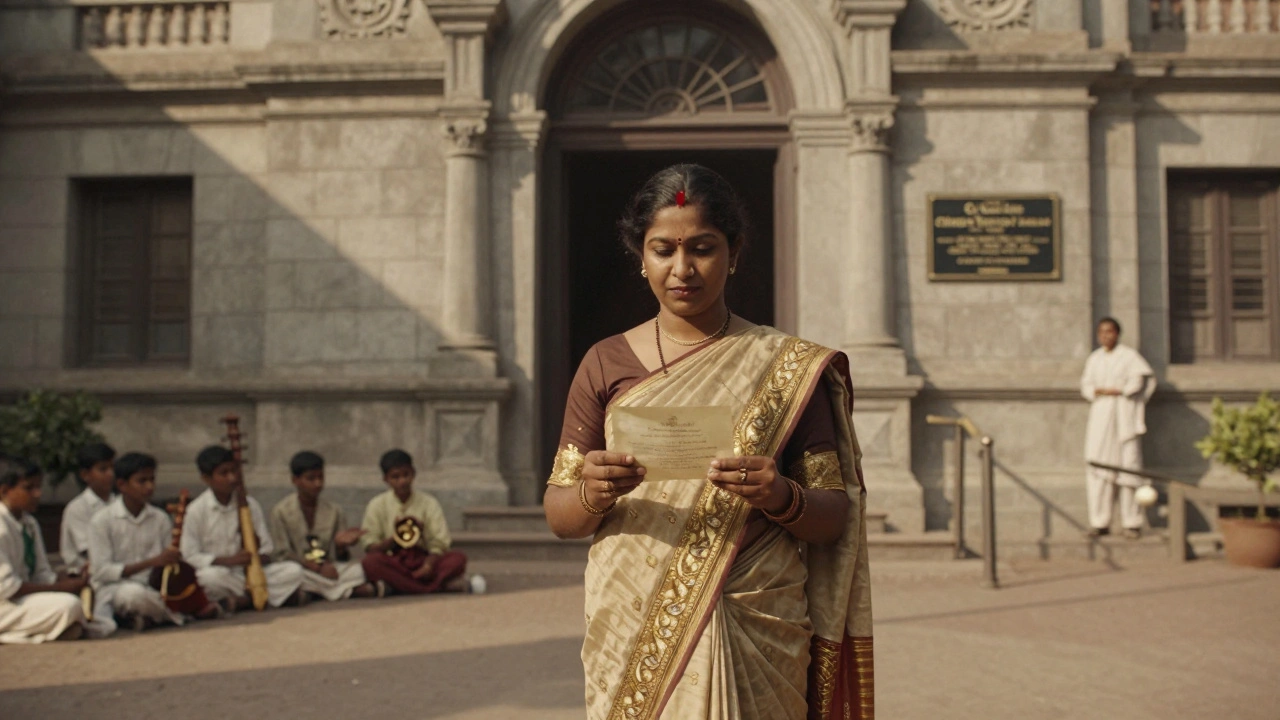
In India, Maharani Chandramukhi Basu, a courtesan from Calcutta, funded the first women’s college in Bengal. She was also the patron of Rabindranath Tagore, who later won the Nobel Prize in Literature. Without her, his early work might have never been published.
These women didn’t just survive-they built empires. And they did it without a throne.
Famous Courtesans You Need to Know
- Veronica Franco (Venice, 1546-1591): Poet, activist, and former plague relief organizer. She defended courtesans in court against moral crusaders-and won.
- Madame de Pompadour (France, 1721-1764): Chief advisor to Louis XV. She controlled the French court’s artistic direction and helped spark the Rococo movement.
- La Catinat (France, 1630s-1710s): A dancer and spy who leaked secrets to the English crown. She was so trusted, the King of England paid her a pension.
- Chandramukhi Basu (India, 1840s-1920s): Funded education for women, mentored future Nobel laureates, and refused to marry despite offers from royalty.
- Madame du Barry (France, 1743-1793): The last mistress of Louis XV. Her downfall came with the Revolution-but her style became the blueprint for French luxury.
How They Lived: Luxury Beyond Imagination
These women didn’t live in back alleys. They lived in palaces. Veronica Franco owned three homes in Venice, including one with a private garden overlooking the Grand Canal. Madame de Pompadour had a personal art collection worth more than the French treasury’s annual budget. She commissioned over 500 paintings and sculptures.
Madame du Barry wore diamonds worth $2 million in today’s money-just for one evening. She had a private opera box, a personal chef, and a stable of 14 horses. When she threw a party, kings showed up uninvited.
And they weren’t just rich-they were powerful. Courtesans had lawyers, financial advisors, and even bodyguards. Many owned businesses: textile factories, bookshops, and theaters. Some even had their own coinage stamped with their initials.
How They Got There: The Training
Being a courtesan wasn’t accidental. It was a career path-with a curriculum.
In Italy, girls as young as 12 were sent to "academies of grace," where they learned:
- Three languages (Latin, French, Italian)
- Classical literature and philosophy
- Music (harp, lute, voice)
- Dance (courtly and theatrical)
- Etiquette (how to sit, speak, and bow in front of royalty)
- Politics (how to read a room, who to trust, how to influence)
By 18, a top courtesan could out-talk a diplomat and out-dance a ballerina. She wasn’t hired for looks. She was hired for brainpower.
How to Find Their Legacy Today
You can still walk through their world. Visit the Palazzo Vendramin in Venice-it was Veronica Franco’s home. Today it’s a luxury hotel. The ceiling frescoes? Painted by her favorite artist.
In Paris, the Château de Bellevue was Madame de Pompadour’s retreat. It’s now a museum. You can see her handwriting on letters to Voltaire and Rousseau.
In Kolkata, the Calcutta School of Music was founded by Chandramukhi Basu. It still teaches classical Indian music-and has a plaque honoring her.
These aren’t ruins. They’re living monuments.
What You Won’t Learn in Textbooks
Most history books call courtesans "mistresses" or "prostitutes." That’s lazy. They were entrepreneurs. They ran multimillion-dollar networks. They had contracts, non-disclosure agreements, and even inheritance clauses.
One courtesan in 17th-century Vienna had a legal contract that stated: "If I bear a child, the father must provide a dowry equal to that of a noble daughter." He did. The child became a countess.
Another, in Constantinople, wrote a memoir titled My Life in the Harem. It was banned for 200 years. It’s now a primary source for historians studying Ottoman court politics.
These women didn’t just exist in shadows. They wrote the rules-and rewrote them.
Why This Matters Today
When you see a woman in power today-whether she’s a CEO, a politician, or a tech founder-remember: she’s walking a path carved by courtesans. They were the first women to prove that intelligence, charm, and strategy could beat birthright.
They didn’t wait for permission. They built their own tables. And they invited others to sit down.
Next time you hear the word "courtesan," don’t think of scandal. Think of sovereignty. Think of survival. Think of a woman who turned society’s lowest expectations into her greatest power.
Were courtesans really more powerful than queens?
In some cases, yes. Queens were bound by law, tradition, and male heirs. Courtesans had no such chains. Madame de Pompadour influenced French foreign policy for over 20 years-longer than most ministers. She chose ministers, controlled spending, and even dictated royal marriages. A queen could be sidelined by childbirth or death. A courtesan could outlast them all.
Did any courtesans become queens?
Several did. In Russia, Catherine the Great started as a minor noblewoman but rose through court influence-much like a courtesan. In France, Françoise-Athénaïs de Rochechouart, Madame de Montespan, was the official mistress of Louis XIV and mother to seven of his children. Though never queen, her children were legitimized and married into royal bloodlines. The line between mistress and queen was thinner than you think.
How did courtesans earn their wealth?
It wasn’t just from lovers. Many ran businesses: textile mills, gambling dens, art galleries, and publishing houses. Veronica Franco owned a printing press. Madame du Barry had shares in a porcelain factory. They invested in real estate, lent money to nobles at interest, and even funded military campaigns. Some were early venture capitalists.
Were courtesans ever prosecuted?
Yes-but rarely for their profession. They were targeted for political reasons. Veronica Franco was accused of witchcraft after criticizing the Church. Madame du Barry was executed during the French Revolution-not for being a mistress, but because she symbolized royal excess. Most courtesans had lawyers and political allies who protected them. Being wealthy meant having power to defend yourself.
Why don’t we hear more about courtesans in school?
Because history was written by men who wanted to erase female power that didn’t come from birthright. Courtesans were too dangerous to celebrate. They proved women could lead without a crown. That threatened the system. Only in the last 30 years have historians begun to recover their stories-and even then, they’re still not in most textbooks.
Ayush Pandey
February 9, 2026 AT 04:21Let’s cut through the romanticization. These women weren’t ‘powerful’-they were exceptions engineered by broken systems. A woman could rise only because the system was corrupt, not because it was fair. The fact that we’re marveling at courtesans as ‘trailblazers’ is just another way of saying patriarchy failed to fully contain female agency. That’s not empowerment-it’s damage control dressed up as history.
And don’t get me started on the ‘education’ narrative. They were trained like racehorses: fluent in Latin, graceful in dance, but never allowed to inherit land, vote, or own a business legally. Their brilliance was a tool for male pleasure, not liberation. The real revolution? When women stopped needing to be ‘exceptional’ to be seen as human.
Stop glorifying survival. Start demanding systemic change.
And yes-I’m aware this comment will be downvoted by people who think trauma is poetry.
Chris Ybarra
February 10, 2026 AT 17:59Y’all are out here turning courtesans into Disney princesses with PhDs. Let’s be real-these women were high-end concubines with PR teams. Madame de Pompadour didn’t ‘shape the Enlightenment’-she got Louis XV to fund her art collection so he could fuck her in between Voltaire quotes.
And don’t even start with ‘she funded hospitals.’ She funded them so she could look saintly while the peasants starved. The palace? The diamonds? The opera box? All paid for by peasants who couldn’t afford bread. This isn’t empowerment-it’s exploitation with better lighting.
And don’t give me that ‘she owned businesses’ crap. She owned them because men let her. Men still owned the law. Men still owned the cannons. Men still owned the throne.
These women weren’t queens. They were the prettiest distractions in a game they never got to play. And now we’re making them into feminist icons? Nah. They were the glitter on the corpse of patriarchy.
Jamie Lane
February 10, 2026 AT 18:01While I appreciate the emotional resonance of this narrative, I must respectfully offer a more nuanced perspective grounded in historical sociology. The term ‘courtesan’ carries a semantic weight that is both culturally contingent and historically specific. In early modern Europe and South Asia, these women occupied a liminal space between commodification and agency, often functioning as nodes in complex networks of patronage, knowledge transmission, and economic exchange.
It is inaccurate to reduce their influence to mere ‘charm’ or ‘wit’-they were institutional actors. Veronica Franco’s legal defense against ecclesiastical defamation, for instance, represents one of the earliest documented instances of a woman invoking civic rights in a public forum. Similarly, Madame de Pompadour’s patronage of the Encyclopédie was not merely aesthetic-it was epistemological, embedding Enlightenment ideals into the fabric of French cultural production.
Perhaps the most profound legacy lies not in their wealth, but in the precedent they set: that intellectual capital, when strategically deployed, can challenge structural hierarchies-even without formal authority. This is not myth-making. It is historiography.
Angie Hansen
February 10, 2026 AT 19:34Let me ask you something-why are we only hearing about these women now? Why did no major university teach this in 1995? Why is this ‘rediscovery’ happening right after the #MeToo movement? Coincidence?
Or is this just another corporate feminist rebranding? Think about it. Tech bros love ‘powerful women’-as long as they’re dead, historical, and pose no threat to today’s power structures. These women were dangerous because they didn’t need men to legitimize them. That’s why they were erased.
And now? Now we’re being fed a sanitized version. No mention of the blackmail. No mention of the forced abortions. No mention of how they were used as pawns in geopolitical chess games between kings.
They weren’t trailblazers. They were collateral damage with better lighting.
Wake up. This isn’t history. It’s propaganda.
Dawn Dougherty
February 11, 2026 AT 00:20Okay but like… did anyone else notice that ALL of these women were white or light-skinned? 🤔
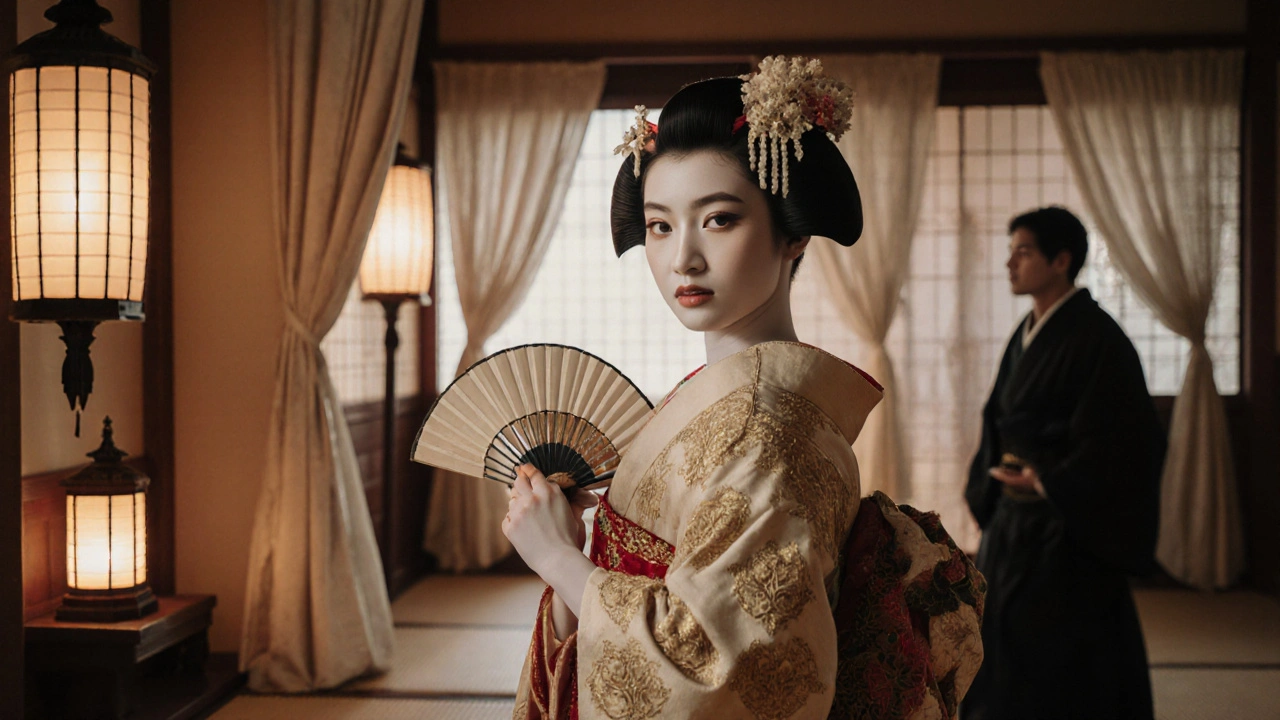
Veronica Franco? Italian. Madame de Pompadour? French. Chandramukhi? Wait… she was Indian? But the photo they use is of a woman with light skin and European features. That’s not even accurate.
Where are the Black courtesans? The Indigenous ones? The ones from West Africa who ran slave markets and funded rebellions? Where’s the courtesan from Timbuktu who brokered peace between empires? Why are we only celebrating the ones that fit the Eurocentric beauty standard?
Also-why is this post full of palaces and diamonds but zero mention of the fact that most courtesans died in their 30s from syphilis or suicide?
Just saying. The glitter’s shiny. The blood’s not.
Beverly DeSimone
February 12, 2026 AT 16:53I just want to say how beautifully researched this is. The way you tied Veronica Franco’s poetry to her advocacy during the plague? That’s the kind of detail that makes history feel human.
And I love that you highlighted the training academies-most people don’t realize how rigorous it was. It’s like an elite conservatory, but for women who had no other path.
I’m sharing this with my book club. We’re reading about overlooked female figures this month, and this fits perfectly. Thank you for writing this with such care. It matters.
Kathy Irion
February 13, 2026 AT 00:54Thank you for this. I’ve been researching women in pre-colonial South Asia for years, and it’s frustrating how little of this is in mainstream discourse.
I’m a teacher, and I’ve started using these stories in my high school curriculum. The students-especially the girls-light up when they hear that a woman like Chandramukhi Basu didn’t just ‘support’ Tagore, she forced the colonial education board to accept her funding because she refused to let her name be erased from the institution’s charter.
It’s not about glorifying romance. It’s about showing young people that power doesn’t always wear a crown.
One typo: ‘Calcutta School of Music’-it’s now the ‘Kolkata Government Music College.’ But the plaque is still there. I visited last year. Tears.
Keep writing. We need more of this.
Marie Elizabeth
February 13, 2026 AT 13:00There’s something deeply moving about the quiet dignity in these stories. Not the diamonds, not the palaces-but the fact that they kept writing, kept teaching, kept funding, even when the world called them ‘immoral.’
I think about how much courage it took to sit in a room full of cardinals and speak truth without trembling. To publish poetry when your name was whispered like a curse.
We talk about ‘breaking ceilings’ now. These women didn’t break ceilings. They built new rooms and invited others in.
I’m grateful for this reminder. Thank you.
Kristen O.
February 14, 2026 AT 21:43Let’s apply some structural analysis here. The courtesan economy was a pre-capitalist form of gendered rent extraction. Their wealth wasn’t ‘earned’-it was extracted from surplus value generated by agrarian labor and colonial extraction. Pompadour’s porcelain factory? Built by coerced labor. Franco’s printing press? Depended on the paper trade funded by Venetian slave markets.
Calling them ‘entrepreneurs’ is neoliberal fantasy. They were intermediaries in a system that commodified female intimacy as a form of capital. The ‘agency’ narrative is a distraction from the real issue: the structural erasure of reproductive labor in historical narratives.
Also-why are we ignoring the fact that 90% of courtesans were trafficked? The ‘academies’ were brothel training centers. This isn’t empowerment. It’s institutionalized sexual capitalism.
Janet Rohrer
February 16, 2026 AT 17:35They’re all lying.
Every single one.
These women weren’t powerful. They were assets. And the whole ‘courtesan history’ thing? It’s a psyop. The Illuminati used them to control European nobility. The Vatican buried their memoirs. The British stole their ledgers. The Freemasons erased their names from official records.
Why do you think Pompadour’s handwriting survived? Because she was a spy for the British Crown. Why do you think Veronica Franco wrote poetry? To hide coded messages about the Pope’s secret heir.
And that plaque in Kolkata? It’s not for Chandramukhi. It’s for the British East India Company. They used her name to make colonization look ‘benevolent.’
You think this is history? It’s disinformation.
They’re still watching. And they’re still rewriting.