Sex Worker Lives - Untold Stories
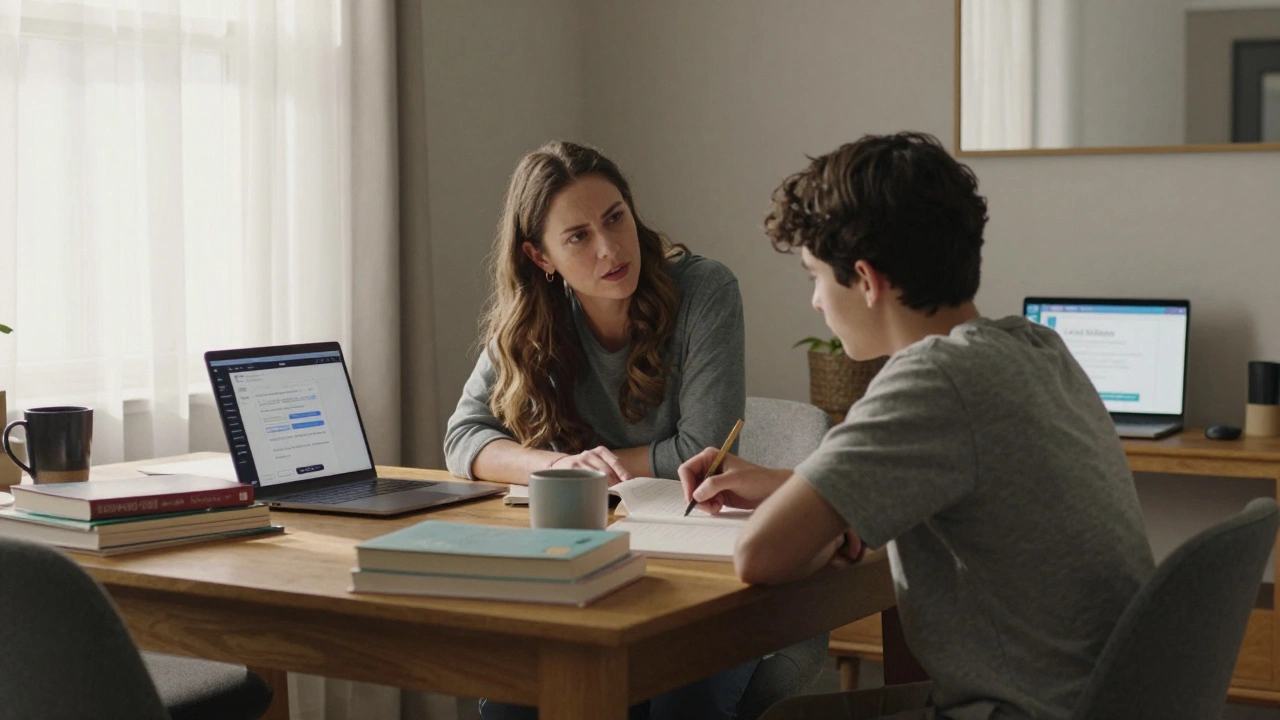
You’ve seen the headlines. The scandals. The moral panic. The memes. But you’ve never heard sex worker stories from the people living them. Not the stereotypes. Not the fearmongering. Not the rescue narratives. Just the truth - raw, quiet, and human.
They’re not what you think
Most people imagine sex work as something that happens in back alleys or dark websites. But it doesn’t look like that. It looks like Maria, 42, who works from her apartment in Portland and tutors high school kids on weekends. It looks like Jamal, 28, who uses his earnings to pay for his sister’s nursing school in Ohio. It looks like Aisha, 35, who left an abusive marriage and now pays her rent with online cam work while her kids sleep upstairs.
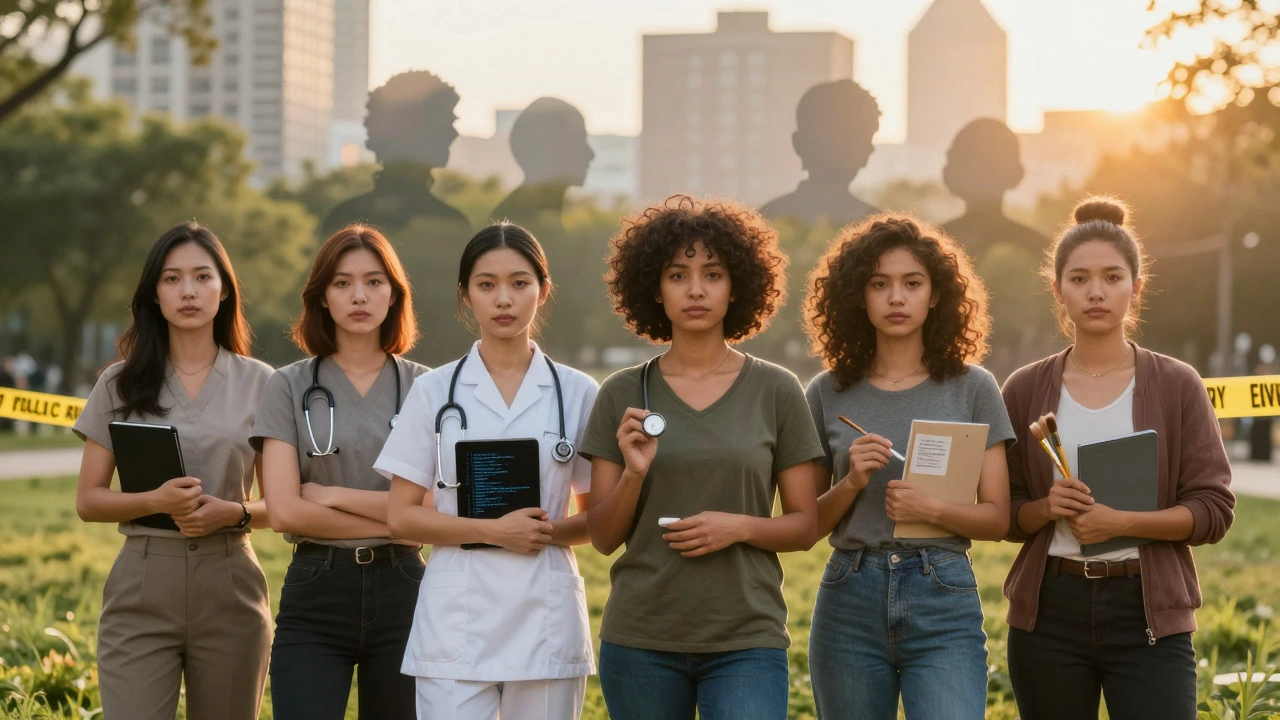
There’s no single profile. No uniform. No tragic origin story that fits every case. Some entered sex work because they had no other options. Others chose it because it paid better than their degree job, gave them control over their time, or let them work from home while caring for a disabled parent. Many do both - sex work and another job. A 2024 study from the University of California found that 68% of sex workers in the U.S. held at least one other formal job. They’re teachers, nurses, coders, artists. They’re not ghosts. They’re neighbors.
Why does this matter?
Because when we reduce people to their work, we erase their humanity. We forget that sex workers pay taxes. They have bank accounts. They get sick. They cry over breakups. They worry about their aging parents. They celebrate birthdays. They fall in love. They want safety. They want respect. They want the same things you do.
And when laws criminalize their work - when police raid apartments, when banks freeze accounts, when landlords evict them for being "suspicious" - it’s not protecting them. It’s pushing them deeper into danger. A 2023 report from the Global Network of Sex Work Projects showed that in places where sex work is criminalized, workers are 13 times more likely to experience violence. When they can’t report crimes without fear of arrest, they suffer in silence.
How do they actually work?
There’s no one way. The old image of street-based work is just one small part of the picture. Today, most sex workers operate online. Apps like OnlyFans, ManyVids, and Patreon let them set their own prices, choose their clients, and work on their own schedule. Some do phone or video calls. Others create custom content. A few still meet in person - but mostly through vetted platforms like Feeld or local collectives that screen clients.
Independent workers often build their own systems. They keep lists of "no-go" clients. They share safety tips in private Facebook groups. They use coded language to avoid detection. Some carry panic buttons. Others have a friend on standby during every session. One worker in Toronto told me she always texts her sister the exact address before a meeting - and if she doesn’t reply within 30 minutes, her sister calls the police.
It’s not glamorous. It’s not wild. It’s work. Hard, emotional, sometimes exhausting work. But it’s work they control.

What do they earn?
There’s no average. Earnings vary wildly. A cam worker in Berlin might make $300 a week. A high-end independent escort in New York might make $10,000 a month. A full-time OnlyFans creator with 5,000 subscribers could clear $25,000 a month after platform fees. But those numbers aren’t the whole story.
Most workers pay for their own tools - cameras, lighting, editing software, website hosting. They pay for security. They pay for taxes. They pay for therapy. They pay for travel. They pay for condoms and lube. They pay for the emotional labor of managing boundaries, dealing with rejection, and shutting down after a hard day.
And here’s the thing: many earn more than they did in their previous jobs. A 2024 survey of 1,200 sex workers across North America and Europe found that 71% said their income increased after switching to sex work. For single mothers, immigrants, and people with disabilities, that’s not a luxury - it’s survival.
What’s the biggest myth?
That they’re all victims.
Yes, some have been trafficked. Yes, some were forced into it. That’s horrific. And it should be stopped. But conflating all sex work with trafficking is dangerous. It ignores the agency of millions of people who chose this path - not because they were broken, but because it gave them freedom, dignity, and control they couldn’t find elsewhere.
Decriminalization isn’t about encouraging sex work. It’s about protecting the people who do it. When sex work is legal and regulated, workers can unionize. They can access healthcare. They can report abuse without fear. They can open bank accounts. They can rent apartments. They can live without hiding.
In New Zealand, where sex work has been fully decriminalized since 2003, violence against sex workers dropped by 56% within five years. In the Netherlands, where it’s legal but tightly regulated, workers have access to health screenings, legal aid, and housing support. These aren’t utopias. They’re practical solutions.
What do they want from society?
Not pity. Not rescue. Not to be "saved."
They want the same thing everyone else wants: to be treated like a human being.
They want landlords to stop evicting them for being "suspicious." They want banks to stop closing their accounts because they "don’t understand the source of income." They want doctors to stop judging them when they walk in for an STI test. They want their kids’ teachers to stop whispering about them at PTA meetings.
They want the law to stop treating them like criminals. They want their partners to stop feeling ashamed. They want their parents to stop asking, "Why can’t you just get a real job?"
And most of all, they want to be seen.
How can you help?
You don’t need to become an activist. You don’t need to quit your job and move to a protest camp.
You just need to stop believing the lies.
When you hear someone say, "All sex workers are exploited," challenge it. Not with anger. With curiosity. Ask: "Have you ever talked to one?"
Support organizations that fight for decriminalization - like the Global Network of Sex Work Projects or the Sex Workers Outreach Project. Donate if you can. Volunteer if you can’t.
Don’t report someone to the police because you think they’re "in danger." That’s not helping. That’s harming. If someone is being trafficked, they’ll tell you - but only if they trust you. And they won’t trust you if you’ve already decided they’re a victim.
And if you’re a client - be respectful. Pay on time. Don’t ask for personal details. Don’t demand emotional labor. Don’t pretend you’re in love. Just be a good customer.
What’s next?
The fight for sex worker rights isn’t new. But it’s gaining speed. In Canada, courts have struck down laws that forced workers to work in dangerous conditions. In France, activists are pushing back against the "Nordic model" that criminalizes clients. In the U.S., states like Vermont and California are considering decriminalization bills.
Change is slow. But it’s happening.
And it’s happening because people are finally listening.
Not to the politicians. Not to the preachers. Not to the journalists who only show the worst-case stories.
To the workers themselves.

Bonnie Searcy Squire
December 11, 2025 AT 18:01This is all state-sponsored propaganda. The government is using these "stories" to normalize pedophilia and undermine family values. Don't be fooled - behind every "empowered worker" is a trafficker with a laptop. The FBI has been warning about this for years. You think they're just "working from home"? They're being groomed by dark web syndicates. Watch your kids.
Starla Scholl
December 11, 2025 AT 20:03I read this whole thing with tears in my eyes. Maria, Jamal, Aisha - these aren't statistics. They're people. I used to judge people like them until my cousin told me she quit her nursing job to do cam work so she could afford her autistic son's therapy. No one talks about that side. We need more stories like this, not less.
Jeff Shaw
December 12, 2025 AT 19:59Wow. Just… wow. 🥹 I’ve never thought about how much emotional labor goes into this work - the boundaries, the safety checks, the exhaustion after a long day. I’m not saying I’d do it, but I’m saying I finally get it. These people aren’t broken. They’re surviving. And honestly? More resilient than most of us. 🙏
Hemanth Nadipineni
December 14, 2025 AT 16:08From India, I just wanted to say thank you. In my country, this topic is silent or shameful. But your words made me feel something I didn’t know I needed - understanding. I don’t know anyone who does this work here, but I now see how unfair it is to judge without knowing. Maybe one day we can talk about this without fear.
Ken Chess
December 14, 2025 AT 22:18Let me tell you something real - I used to be the guy who rolled my eyes at sex workers. Thought they were just lazy or desperate. Then my niece told me she started OnlyFans after her husband left and her employer cut her hours. She’s now paying off her student loans and taking her mom to Florida for the first time. I didn’t say anything. I just hugged her. That’s all you need to do sometimes. Just see them. Just be there.
Melissa Pemberton
December 16, 2025 AT 19:19OMG I CANT EVEN 😭 this made me cry in my car while waiting for my kid’s soccer practice. I work retail and make like 15 an hour and i’m always stressed. these people are out here building lives while being called monsters. i’m sharing this with everyone. also i just donated to swop. yall are legends
Vicky Durel
December 17, 2025 AT 03:34This is a trap. The liberal agenda is pushing this to destroy morality. You think these women are happy? They’re drugged, manipulated, and broken. The fact that you’re calling this "work" is disgusting. God sees their pain. And you? You’re helping the enemy. Shame on you.
Mrigank Srivastava
December 17, 2025 AT 17:51They’re not victims. They’re not heroes. They’re just people doing a job. I don’t care what they do. I don’t want to know. I just want to be left alone. Why does everyone need to turn this into a movement?
alyssa golightly
December 19, 2025 AT 04:22My grandma used to say "you don’t know someone’s whole story until you’ve walked in their shoes." I never thought I’d apply that to sex workers. But now I get it. We judge based on headlines. But real life? It’s messy. It’s human. And it’s not our place to decide who deserves dignity. Just give it.