Health Tips for Sex Workers: Practical Ways to Stay Safe and Well
You show up every day-sometimes tired, sometimes scared, sometimes proud. You’re doing work that’s hard, real, and often misunderstood. And yet, no one talks about the simple things that keep you healthy: sleep, clean needles, regular check-ups, or even just drinking enough water. This isn’t about judgment. It’s about survival. And you deserve to survive with dignity.
Key Takeaways
- Get tested for STIs every 3 months-even if you feel fine
- Always use condoms and dental dams-no exceptions
- Know your rights: you can refuse any client, any time
- Hydration and sleep aren’t luxuries-they’re medical necessities
- Connect with peer support groups; you’re not alone
Why Health Matters More Than You Think
Let’s be honest: when you’re working long hours, dealing with unpredictable clients, and juggling rent, bills, and safety, your own health often slips to the bottom of the list. But here’s the truth: if you get sick, you can’t work. If you get injured, you can’t earn. If you’re exhausted, you’re more vulnerable.
Every year, clinics in London see hundreds of sex workers who come in late-because they didn’t realize a sore was an STI, or because they thought a cough was just stress. By the time they come in, it’s harder to treat. Prevention isn’t optional. It’s the difference between being able to keep working and being laid out for weeks.
STI Testing: Do It Like Clockwork
You don’t need to be scared of clinics. In London, places like Terrence Higgins Trust a leading UK sexual health charity that provides free testing, condoms, and support for sex workers and Portman Clinic a specialist sexual health service in central London with dedicated support for sex workers offer walk-in testing with no appointment needed. They don’t report your work to anyone. They don’t ask for ID. They give you a test, results in under a week, and treatment if needed-all free.
Set a reminder. Every 90 days. Even if you use condoms. Even if you feel fine. Some STIs like chlamydia or gonorrhea don’t cause symptoms for months. By then, you could have passed them on-or damaged your reproductive health. Don’t gamble with your body.
Condoms, Dental Dams, and Barriers-Always
There’s no gray area here. If you’re having sex, you need a barrier. Always. Condoms for vaginal and anal sex. Dental dams for oral sex. No exceptions. Not because you’re being told to, but because it works.
Some clients push back. They say, “I’m clean.” Or, “It feels better without.” You don’t owe them comfort. You owe yourself safety. A good client will respect that. A bad one? You walk away. Period.
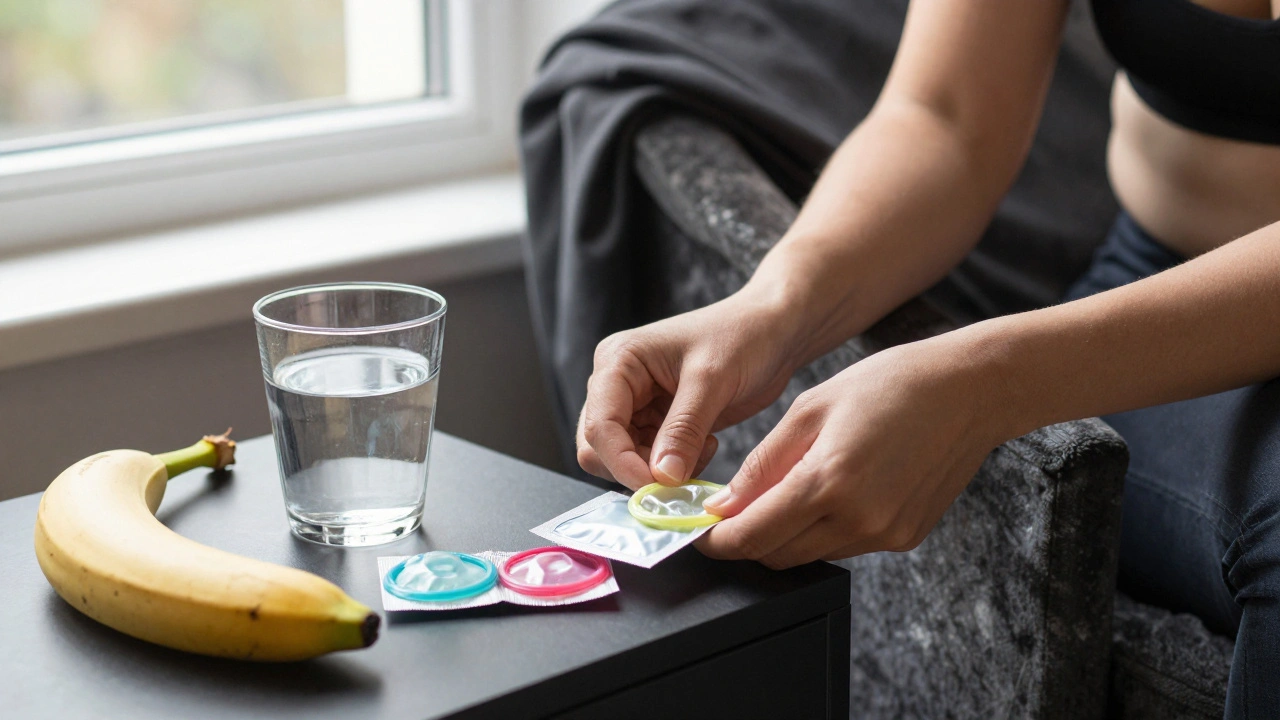
Carry your own supplies. Keep a small pouch with condoms, lube, and dental dams in your bag, purse, or car. If you’re working from home, keep them on your nightstand. Make them as routine as your phone charger.

Sleep, Hydration, and Nutrition-The Hidden Foundation
You’ve heard it before: sleep, water, food. But here’s what no one tells you: when you’re working nights, skipping meals, or living on caffeine and takeaways, your immune system starts to shut down. You get sick more often. You heal slower. Your mental health tanks.
Try this: drink a glass of water before every client. Eat one piece of fruit a day. Sleep for at least 6 hours, even if it means turning down a job. Your body isn’t a machine. It’s a living thing that needs rest. If you can’t sleep at night, nap during the day. Even 20 minutes helps.
And yes-you can afford this. A banana costs 20p. A bottle of water costs £1. These aren’t luxuries. They’re your armor.
Know Your Rights: You Can Say No
You have the right to refuse any client, any service, any time. No matter how much they offer. No matter how desperate you are. You are not a commodity. You are a person.
Some clients test boundaries: “Just this one thing?” “I’ll pay double.” “No one else will do it.” You don’t owe them an explanation. A simple “No” is enough. If they argue, hang up. Block them. Tell a colleague. If you’re working alone, always let someone know where you are.
Organizations like SWARM a UK-based peer-led support network for sex workers offering safety advice and advocacy offer emergency numbers and safety check-in systems. Sign up. Use them. They exist because people like you need them.
Where to Get Help in London
You don’t have to figure this out alone. Here’s where real help lives:
- Terrence Higgins Trust - Free STI testing, condoms, and emotional support. Locations across London.
- Portman Clinic - Specialist care for sex workers. No judgment. No paperwork.
- SWARM - Peer support, safety training, and advocacy. They run drop-in sessions in Lambeth and Islington.
- St Mungo’s - If you need housing, food, or mental health support, they’ll help you navigate the system.
- Sex Workers’ Opera - Not just art. It’s community. They host monthly gatherings where you can talk, laugh, and just be.
These places don’t care about your job title. They care that you’re alive. That you’re safe. That you’re human.

What to Do If You Get Sick or Injured
If you have a sore that won’t go away, unusual discharge, fever, or pain-you need to get checked. Don’t wait. Don’t hope it goes away. Don’t use home remedies from YouTube.
Go to a clinic. Bring your ID if you have it. If you don’t, they’ll still see you. Tell them you’re a sex worker. They’ve seen this before. They know how to help.
If you’re hurt-physically, emotionally, or financially-you can call the UK Safer Sex Worker Helpline a confidential support line staffed by former sex workers offering crisis advice. They’re open 24/7. No questions asked. Just someone who gets it.
Comparison: Sex Worker Health vs. General Public Health
| Health Area | General Population | Sex Workers |
|---|---|---|
| STI Testing Frequency | Once a year (if at all) | Every 3 months (recommended) |
| Access to Clinics | Often requires appointment | Walk-in, anonymous, free services available |
| Condom Use | Variable, often inconsistent | Non-negotiable, mandatory for safety |
| Mental Health Support | Often stigmatized | Peer-led, trauma-informed services exist |
| Workplace Safety | Employer-led regulations | Self-managed, requires personal systems |
Frequently Asked Questions
Do I need to tell my doctor I’m a sex worker?
No, you don’t have to. But if you do, your doctor is legally required to keep it confidential. Telling them helps them give you better care. For example, if you’re having recurring UTIs or pelvic pain, they’ll know to test for STIs instead of just prescribing antibiotics. You’re not a case file-you’re a person. And you deserve care that understands your reality.
Can I get free condoms and lube?
Yes. Every sexual health clinic in London gives out free condoms and water-based lube. Some organizations, like Terrence Higgins Trust, even send them by post if you can’t get there. You can also find them at community centers, LGBTQ+ hubs, and some pharmacies. Don’t be shy-ask. They’re there for you.
What if I’m scared to go to a clinic?
You’re not alone. Many sex workers feel that way. That’s why clinics like Portman and Terrence Higgins Trust have staff who are former sex workers themselves. They know what you’ve been through. You can ask to speak to someone who’s been in your shoes. You can bring a friend. You can go during quiet hours. You can say, “I’m nervous.” And they’ll slow down. This isn’t a test. It’s a check-up. You’re not being judged-you’re being cared for.
Is it safe to use birth control while working?
Yes. Hormonal birth control doesn’t interfere with STI prevention-it just helps you control your body. If you don’t want to get pregnant, talk to a clinic about options. IUDs, implants, and pills are all safe and effective. Condoms still protect you from STIs. Birth control is about choice. Not risk.
Can I get help if I’m experiencing violence?
Absolutely. Violence against sex workers is a crime. If you’ve been assaulted, call the police. Or call SWARM-they’ll help you report it without pressure. You can get medical care, counseling, and legal support. You don’t have to carry this alone. There are people who will believe you.
What’s Next?
You’ve made it this far. That’s courage. Now, take one small step. Call Terrence Higgins Trust. Ask for a free STI test. Text a friend: “I’m getting checked next week.” Download the SWARM app. Put a water bottle on your nightstand. Do one thing today that says: I matter.
You’re not just a worker. You’re a person. And your health? That’s not a luxury. It’s your right.