Prostitute Near Me - The Real Risks You Face
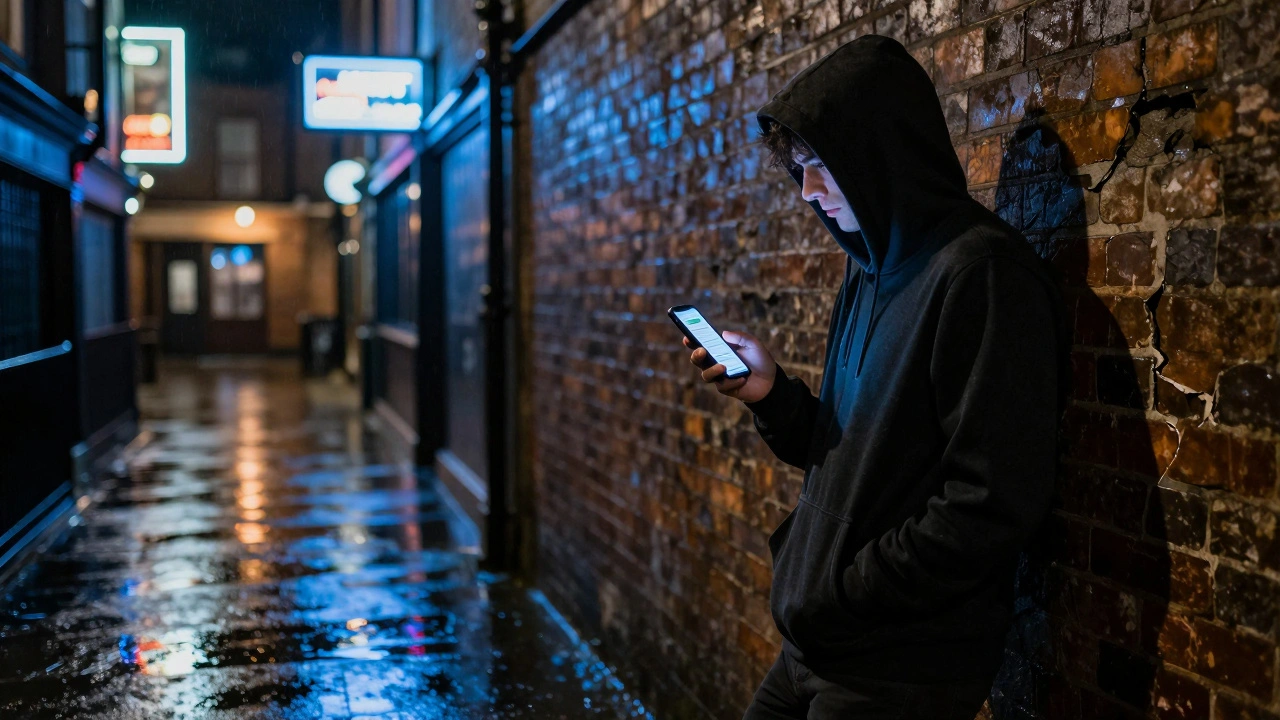
You’ve typed it. Maybe you’re curious. Maybe you’re lonely. Maybe you’re just desperate. But if you’re searching for "prostitute near me," you need to know what you’re really walking into-and it’s not what you think.
Here’s the truth: There is no safe "prostitute near me"
There’s no hidden directory, no verified app, no discreet service that keeps you out of danger. Every time someone searches for this phrase, they’re stepping into a system built on exploitation, legal risk, and physical danger. And no matter how polished the website or how reassuring the message, the reality is brutal.
In London, soliciting sex work is illegal under the Sexual Offences Act 2003. Even if you think you’re being careful-meeting in a quiet alley, paying in cash, avoiding cameras-you’re still breaking the law. And the consequences aren’t just fines. They’re criminal records. They’re job loss. They’re public shame that follows you for years.
What you’re actually looking for
When you search for "prostitute near me," you’re not looking for a transaction. You’re looking for connection. For relief. For escape from loneliness, stress, or shame. That’s human. But the system you’re tapping into doesn’t offer that. It offers survival-and exploitation.
Most people selling sex on the streets aren’t there by choice. They’re fleeing abuse, addiction, homelessness, or trafficking. Studies from the Home Office and End Violence Against Women Coalition show that over 80% of women in street-based sex work in the UK have experienced physical violence. One in three has been attacked with a weapon. These aren’t statistics. These are real people-many of them teenagers, many of them migrants, all of them vulnerable.
And you? You’re not helping. You’re part of the demand that keeps the cycle going.
The hidden dangers you can’t see
You think you’re safe because you’re paying. You think you’re in control. But here’s what happens behind the scenes:
- Many "independent" workers are controlled by pimps or gangs who take 70-90% of their earnings.
- Scams are common-fake bookings, hidden cameras, blackmail.
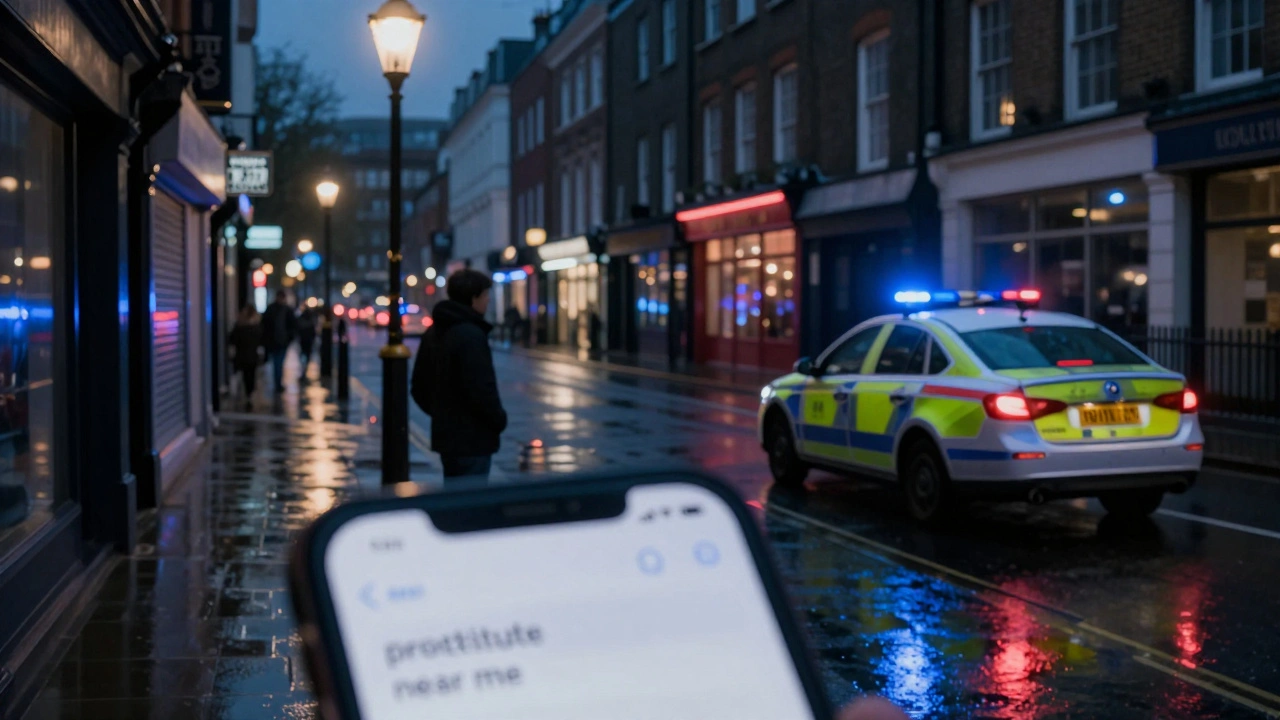
- Police sting operations target buyers as often as sellers. You could be arrested in a car park, on your phone, minutes after paying.
- Sexually transmitted infections are rampant. Many workers don’t have access to regular testing or healthcare.
- There’s no consent when someone is trapped. Coercion looks different than you think-it’s not always a knife. Sometimes it’s a debt, a threat to a child, or the fear of being deported.
And if you get caught? The police don’t just fine you. They record your name, address, and vehicle. Your employer might find out. Your partner might find out. Your kids might find out. A conviction for soliciting can show up on background checks for jobs, visas, even housing applications.
What’s really available in London
You might see ads online for "escorts," "companions," or "massage therapists." But these are often fronts. In London, most of these services are illegal under the Brothel Keeping Act 1956 if more than one person is involved. Even if someone claims to be "independent," they’re still at risk.
There are no legal, regulated street-based sex workers in the UK. Not in London, not in Manchester, not anywhere. The only legal framework is decriminalization of selling sex-but not buying it. That’s the law. And it’s not changing anytime soon.
What you’ll find instead:
- Women and men working alone in flats, often in areas like Peckham, Croydon, or Walthamstow-places where rent is cheap and attention is scarce.
- Online ads that disappear within hours, replaced by new ones with fake names and burner phones.
- Messages that ask for personal details, photos, or ID before "booking." That’s not vetting. That’s profiling for blackmail.

How people find these services (and why it’s dangerous)
You might use Craigslist, Backpage alternatives, Telegram groups, or social media DMs. But here’s what you don’t see:
- Most of these accounts are run by traffickers, not workers.
- Messages are monitored. Photos are saved. Conversations are recorded.
- Many "workers" are under 18. UK law says anyone under 18 selling sex is a victim of trafficking-even if they say they’re willing.
- Police use AI tools to scan these platforms. Your IP address is logged. Your phone number is tracked.
There’s no "safe" way to find someone through these channels. No matter how careful you think you are, you’re leaving a digital trail that can ruin your life.
What you can expect if you go through with it
You think you’ll get what you want. A quick release. A moment of closeness. But here’s what usually happens:
- You arrive at a location that looks wrong-the lighting is off, the door doesn’t lock, there are strangers nearby.
- The person is nervous, avoids eye contact, and speaks in short sentences. That’s not shyness. That’s fear.
- You’re asked to pay upfront. Or not at all. Or in a way that doesn’t make sense.
- They change the terms last minute. More money. More time. More acts.
- You’re left feeling worse than before. Guilty. Used. Ashamed.
This isn’t fantasy. This is real life for thousands of people who’ve done this-and regretted it.
The real cost: More than money
Let’s talk about price. You might think £100-£200 is reasonable. But the real cost isn’t what you pay-it’s what you lose.
- Legal fees if arrested: £2,000-£5,000 minimum
- Loss of job if convicted: up to £50,000+ in lost income
- Damage to reputation: hard to quantify, but permanent
- Emotional toll: guilt, shame, isolation
And the person you’re paying? They’re paying with their safety, their dignity, their future. You’re not buying a service. You’re buying into a system that destroys people.
What to do instead
If you’re lonely, stressed, or struggling, you’re not alone. And there are better ways.
- Talk to someone. Samaritans (116 123) offer free, anonymous support 24/7. No judgment. No records.
- Seek therapy. NHS counselling is free. Many charities offer sliding-scale rates.
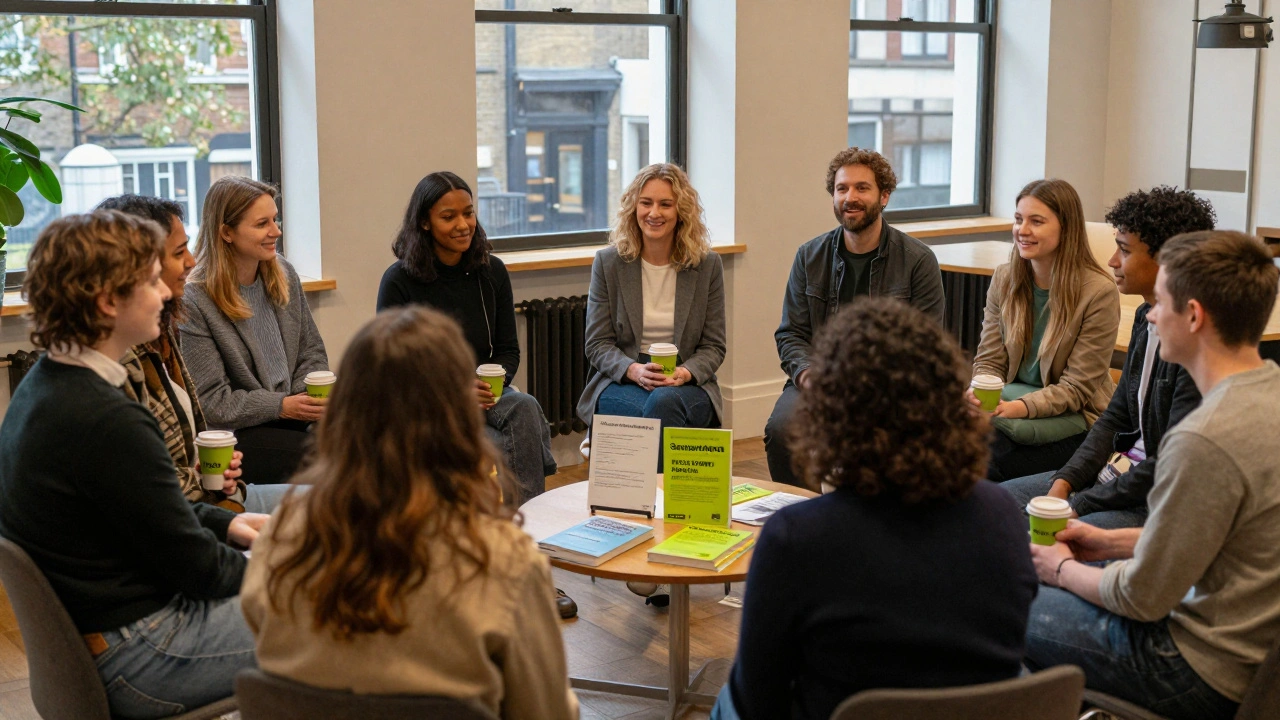
- Join a community. Meetup groups, volunteer orgs, local clubs-they’re full of people who just want to connect.
- Use apps like Bumble BFF or Meetup. Real human connection doesn’t require payment.
You don’t need to pay for closeness. You just need to reach out.
FAQ: Your Questions Answered
Is it legal to hire a prostitute in London?
No. While selling sex is not illegal in the UK, paying for it is. Under the Sexual Offences Act 2003, soliciting or paying for sex in a public place is a criminal offence. Even if you meet in private, if the person is being controlled by someone else (which is common), you could be charged with exploiting a vulnerable person.
Can I get arrested for searching "prostitute near me" online?
You won’t be arrested just for searching. But if you contact someone through those sites, exchange messages, or arrange a meeting, police can track your device, IP address, and phone number. Many sting operations target people who use these platforms. Your search history might not get you arrested-but your actions after that search definitely can.
Are there safe, legal alternatives to sex work in London?
Yes. If you’re seeking intimacy, there are licensed companionship services that don’t involve sex. If you’re seeking emotional connection, organisations like Mind, CALM, and the LGBT Foundation offer free, confidential support. If you’re lonely, community centres across London host weekly social events-from coffee mornings to walking groups. Connection doesn’t have to cost money.
What happens if I’m caught paying for sex?
You’ll likely receive a fixed penalty notice of £1,000. If you refuse to pay or have prior offences, you’ll be taken to court. A conviction can result in a criminal record, which affects travel, employment, and housing. In some cases, your name and address are published in local court records.
Do police target buyers or sellers more?
In London, police focus on buyers more than sellers. The law treats those selling sex as victims. Buyers are treated as perpetrators. Over 70% of arrests in recent years have been of people paying for sex-not those selling it. This is intentional policy to reduce demand and protect vulnerable people.
Final thought
You’re not a bad person for wanting connection. But you’re putting yourself-and someone else-at risk by choosing the wrong path. There’s no shortcut to human warmth. No app that replaces trust. No transaction that heals loneliness.
Real connection takes time. It takes courage. It takes showing up, even when it’s hard. And it’s always worth it.

Jessica Buchanan-Carlin
December 14, 2025 AT 23:07This whole post is so woke its embarrassing
People have been paying for sex since ancient times and now you want to guilt trip guys for being horny
Stop pretending this is about safety its about controlling behavior
Im not gonna cry about some poor girl in Peckham shes probably making more than me
Tolani M
December 16, 2025 AT 18:15My brother in Lagos used to say the same thing about women selling themselves on the streets of Surulere - that they were victims of circumstance
But here's the thing - in Nigeria we call it survival not exploitation
When your child is sick and the hospital won't take you without cash and your husband left you with nothing you don't get to choose dignity you choose breath
And yes the system is broken but blaming the man who pays £150 for a moment of peace ignores the real villains - the traffickers the corrupt cops the landlords who charge rent in dollars while the naira collapses
We need systems not sermons
And if you want to help don't write long posts about guilt - build shelters fund rehab programs create job training
Because a man searching for "prostitute near me" isn't evil he's just desperate in a world that forgot how to hold his hand
Michael J Dean
December 16, 2025 AT 20:02ok but like i just read this whole thing and im like wow
im not saying its right or wrong but the part about the police tracking your ip and phone number like bro thats actually terrifying
i just searched "prostitute near me" out of curiosity and now im sweating
also the bit about the 80% having been physically attacked that hit me hard
like i just wanted to chill not become part of a human trafficking ring
also who has time for all this legal drama i just wanna get laid without getting arrested or emotionally wrecked
maybe i should just go to a bar and talk to someone instead lol
but seriously though the NHS counseling thing sounds kinda nice
idk i just feel weird now
Ankush Jain
December 17, 2025 AT 07:40What a load of liberal propaganda
First off the UK law is nonsense - if selling is legal then buying should be too
Second the statistics are cherry picked - 80% violence? Where's the peer-reviewed study?
Third most of these women are adults who chose this life - dont infantilize them
Fourth the police focus on buyers because they want to look like they're "protecting women" when really they're just trying to score political points
Fifth if you're so worried about exploitation why dont you go protest the brothel owners the pimps the drug dealers who actually control these women
Instead you write a long article telling men to cry into their pillows and join a meetup group
Pathetic
Also the NHS counseling is free but the wait time is 18 months - good luck with that
And dont even get me started on Bumble BFF - i tried it and got 3 spam bots and one guy who wanted to talk about his pet iguana
Real human connection? More like real disappointment
Robin Moore
December 17, 2025 AT 18:36Look I've been in this game and I'll tell you straight - the real danger isn't the law its the lack of screening
Most of these ads are run by traffickers who use fake profiles to lure in buyers and then rob them or blackmail them
And yeah I got caught once - fixed penalty notice £1000 and a warning
But here's what nobody tells you - if you want to avoid the risks you need to do your homework
Check the profile history look for red flags like no photos or only one photo or messages that demand personal info
And never meet in a place without an exit
Also always use cash - no digital trails
And for god's sake don't use your real name or phone number
Most of the women are just trying to survive and if you treat them like humans not transactions you'll be fine
But if you go in thinking you're some kind of hero with your moral lecture you're gonna get played
And yes I know the law says its illegal but the reality is most cops don't care unless there's a complaint or a kid involved
So stop preaching and start being smart
And if you're lonely go to a gym or a library or volunteer somewhere
Real connection doesn't cost money but it does cost effort
And yeah I tried the Samaritans once - they were nice but they didn't fix my loneliness
So I learned to be careful and now I'm fine